
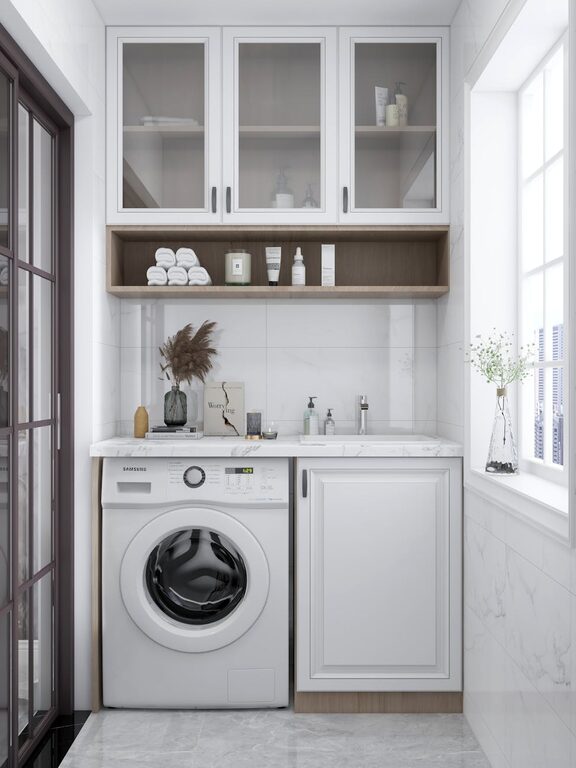
Creating a quiet and peaceful home environment is essential for relaxation, productivity, and overall well-being. Whether you live in a busy urban area or simply want to reduce the sound from everyday life, there are plenty of simple solutions to reduce noise at home. This post will guide you through practical and affordable ways to minimize unwanted noise, enhancing the comfort of your living space.
Why Reducing Noise at Home Matters
Noise pollution in the home can affect sleep quality, concentration, and mood. Even everyday sounds like traffic, appliances, or neighbors can become distractions. By reducing noise, you create a sanctuary where you can unwind or focus with ease.
Assessing Noise Sources in Your Home
Before making changes, it helps to identify where most noise comes from. Common sources include:
– Traffic and street noise
– Neighbors or shared walls
– Appliances like washing machines or air conditioners
– Footsteps or loud voices inside the house
– Outdoor noise from pets or wildlife
Once you understand the main noise sources, you can select the best strategies to address them.
Simple Methods to Reduce Noise at Home
1. Add Soft Furnishings
Soft materials absorb sounds, reducing echoes and overall noise levels.
– Use plush rugs or carpets instead of hard flooring
– Add thick curtains or drapes on windows
– Place cushions or upholstered furniture around seating areas
– Consider fabric wall hangings or tapestries for large, bare walls
2. Seal Gaps Around Doors and Windows
Unsealed gaps act as noise highways from outside or other rooms.
– Install weatherstripping around door frames
– Use draft stoppers at the base of doors
– Caulk or use foam sealants to fill cracks around window frames
– Consider double- or triple-glazed windows if renovations are possible
3. Use Bookcases and Shelves as Sound Barriers
Heavy, filled shelves can block and absorb noise.
– Place large bookcases against walls shared with noisy neighbors or busy streets
– Fill shelves with books or decorative items to increase their density and sound-blocking effect
– Position furniture strategically to create buffer zones between noisy areas and quiet spaces
4. Incorporate Plants to Help Absorb Sound
Indoor plants not only beautify a room but can also improve acoustics.
– Arrange several large potted plants near noise sources
– Choose plants with thick foliage that can disrupt sound waves, such as rubber plants or ferns
– Combine plants with other soft materials for maximum effect
5. Use White Noise Machines or Fans
Sometimes masking unwanted noise is more practical than complete elimination.
– White noise machines produce consistent sound that can cover sharp or background noises
– Ceiling fans or portable fans create soothing, steady sounds that help with sleep and concentration
– Apps and smart home devices often offer customizable white noise options
Upgrading Your Space for Noise Reduction
Invest in Acoustic Panels
For those wanting more significant noise control, installing acoustic panels is an option.
– Panels absorb sound waves and reduce echo within rooms
– Available in stylish designs and colors to complement home decor
– Can be placed on walls or ceilings of noisy rooms like home offices or media rooms
Consider Soundproof Doors and Windows
Higher-end solutions include:
– Doors with solid cores and seals specifically designed for soundproofing
– Acoustic or laminated glass that blocks external noise better than standard glass
Lifestyle Habits to Minimize Noise
– Turn down appliances and televisions to reasonable levels
– Use headphones when listening to music or watching videos
– Encourage family members to respect quiet hours, especially in bedrooms or study areas
– If you have pets, train them to reduce barking or noisy behaviors indoors
Final Thoughts
Reducing noise at home doesn’t have to be complicated or expensive. By combining simple changes like soft furnishings, sealing gaps, and strategically placing furniture, you can significantly improve your home’s quietness. For larger projects, acoustic panels and upgraded windows can take your space to the next level. With a peaceful environment, you’ll enjoy better rest, focus, and relaxation every day.
Try out these tips and create a calm and cozy home that truly feels like your personal retreat.