
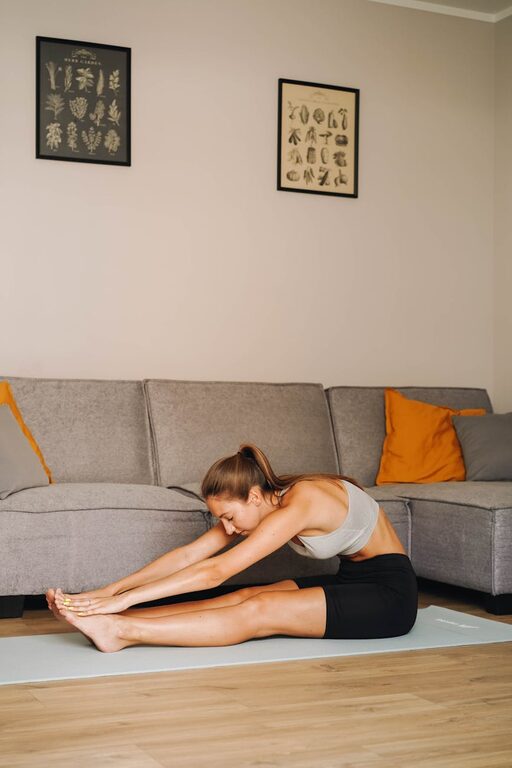
Stretching is a simple yet powerful way to improve your physical health and well-being. Whether you’re looking to reduce muscle tension, increase flexibility, or prepare your body for exercise, regular stretching has numerous benefits. The best part? You can do it easily at home without any special equipment. This beginner’s guide will walk you through the basics and offer easy routines you can start today.
Why Stretching Matters
Stretching helps lengthen muscles, improves blood flow, and enhances your range of motion. When done regularly, it can:
– Reduce stiffness and muscle tension
– Lower the risk of injury during physical activity
– Improve posture and balance
– Enhance relaxation and reduce stress
No matter your age or fitness level, stretching can be a valuable addition to your daily routine.
When to Stretch
Timing your stretches properly can boost their effectiveness. Consider these common options:
– After waking up: Gentle stretches in the morning help wake up your muscles and joints.
– Before exercise: Dynamic stretches prepare your muscles for movement and help warm your body.
– After exercise: Static stretches can help cool down muscles and reduce soreness.
– Anytime during the day: Short stretching breaks are great for counteracting long periods of sitting or inactivity.
Aim to spend 5-10 minutes stretching daily to notice improvements over time.
Preparing to Stretch at Home
A few simple tips will help you get the most from your home stretching:
– Wear comfortable clothes: Loose, stretchy clothing allows free movement.
– Choose a quiet space: Find a spot free from distractions with enough room to move.
– Use a mat or soft surface: This provides support and comfort, especially for floor stretches.
– Breathe deeply: Focus on your breath during stretching to help relax muscles and improve oxygen flow.
Basic Stretching Techniques for Beginners
There are two main types of stretches beginners should know:
Static Stretching
This involves holding a stretch for 15-30 seconds without bouncing. It’s best performed after warming up or exercising. Static stretches help lengthen muscles and improve flexibility gradually.
Dynamic Stretching
Dynamic stretches involve controlled, gentle movements through a full range of motion. These are ideal before physical activity as they warm up muscles and increase blood circulation.
Easy Stretches to Try at Home
Below are some simple stretches to get you started. Perform each stretch slowly and avoid any movement that causes pain.
Neck Stretch
- Sit or stand with your back straight.
- Slowly tilt your head toward your right shoulder until you feel a stretch in the left side of your neck.
- Hold for 20 seconds, then switch sides.
- Lift your shoulders toward your ears.
- Roll them backward in a circular motion five times.
- Repeat rolling them forward five times.
- Stand facing a wall or doorway.
- Place your palm and forearm against the surface at shoulder height.
- Slowly turn your body away from the wall until you feel a stretch across your chest.
- Hold for 20 seconds, then switch arms.
- Get down on your hands and knees.
- Arch your back upward, tucking your chin to your chest (Cat position).
- Next, lower your back while lifting your head and tailbone up (Cow position).
- Flow between these positions for 8–10 rounds.
- Sit on the floor with one leg extended and the other bent toward your inner thigh.
- Slowly reach toward your toes on the extended leg, keeping your back straight.
- Hold for 20-30 seconds, then switch legs.
- Stand near a wall or chair for balance.
- Bend your right knee and grasp your ankle to pull your heel toward your buttocks.
- Keep your knees close together and hold for 20 seconds.
- Switch legs.
- Sit comfortably with your legs extended.
- Bend your right knee and cross it over the left leg, placing your foot flat on the floor.
- Twist your torso gently to the right, placing your left elbow on the outside of the right knee.
- Hold for 20 seconds, then switch sides.
Shoulder Rolls
Chest Stretch
Cat-Cow Stretch (Spine Mobility)
Hamstring Stretch
Quadriceps Stretch
Seated Spinal Twist
Tips for Safe Stretching
To avoid injury and get the best results:
– Warm up your body with light movement before stretching.
– Never stretch to the point of pain—mild tension is enough.
– Hold stretches steadily without bouncing.
– Stretch both sides of your body equally.
– Maintain good posture during stretches.
– Stay hydrated to keep muscles supple.
Building a Stretching Routine at Home
You don’t need to spend hours stretching to benefit. Here’s how to create a manageable routine:
- Choose 5-7 stretches targeting major muscle groups.
- Hold each stretch for 20-30 seconds.
- Perform 2 rounds of each stretch.
- Dedicate 10-15 minutes per day, ideally at times when you feel stiff or before/after exercise.
Consistency is key. Over several weeks, you’ll notice improvements in flexibility and comfort.
Conclusion
Stretching at home is a convenient and effective way to support your overall health and mobility. With simple stretches and a small daily commitment, you can reduce muscle tension, improve flexibility, and feel more relaxed throughout your day. Start with basic movements, listen to your body, and gradually build a routine that fits your lifestyle.
Remember, your body will thank you for the care and attention you give it through regular stretching!
—
Feel free to share your favorite stretches or questions in the comments below. Happy stretching!