
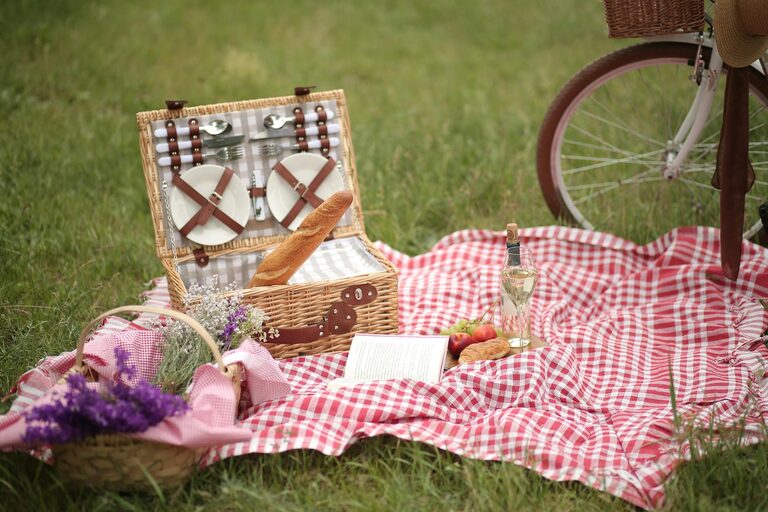
Planning a simple picnic at a local park is a wonderful way to enjoy fresh air, good food, and quality time with friends or family. Whether it’s a sunny weekend or a casual weekday break, a picnic lets you step away from your daily routine and soak in nature’s beauty. This guide will walk you through easy steps to plan a stress-free picnic that everyone will enjoy.
Choose the Right Park
The first step is picking a local park that fits your needs. Consider:
– Distance: A nearby park reduces travel time and makes packing easier.
– Amenities: Look for picnic tables, restrooms, playgrounds, or walking paths depending on what you want.
– Space: Make sure there’s enough grassy or shaded area to spread out and relax.
– Rules: Some parks require reservations or have restrictions on grilling or alcohol.
You can check your city’s parks department website or apps like Google Maps to explore local options.
Pick a Date and Time
The best date depends on:
– Weather: Check the forecast to avoid rain or extreme heat.
– Crowds: Weekends may be busy; weekdays or mornings tend to be quieter.
– Duration: Decide if you want a short lunch picnic or a longer afternoon outing.
Planning ahead allows you to confirm who can attend and prepare accordingly.
Plan Simple and Tasty Food
One of the joys of a picnic is sharing tasty food without complicated cooking. Aim for easy-to-transport, mess-free options.
Food Ideas
– Sandwiches or Wraps: Pre-made or DIY sandwiches with deli meat, cheese, or veggies.
– Fresh Fruit: Grapes, apple slices, berries, or watermelon.
– Snacks: Crackers, nuts, cheese cubes, or trail mix.
– Salads: Pasta salad or green salad in a sealed container.
– Desserts: Cookies or brownies.
Drinks
– Bottled water stays essential.
– Juice boxes, iced tea, or lemonade can add variety.
– Bring a cooler or insulated bag to keep drinks and perishables fresh.
Packing Tips
Use reusable containers to reduce waste. Wrap sandwiches in parchment paper or beeswax wraps. Bring utensils, napkins, and cups as needed.
Gather Essential Supplies
Beyond food, make sure you’re equipped for a comfortable day outdoors.
What to Bring:
– Blanket or Mat: For sitting or lounging comfortably on the grass.
– Trash Bags: To clean up after and keep the park tidy.
– Sunscreen and Bug Spray: Protect yourself from sunburn and insects.
– Napkins and Wipes: Handy for quick clean-ups.
– Cooler or Insulated Bag: To keep food fresh.
– Games or Activities: Frisbee, ball, cards, or a book for entertainment.
– First Aid Kit: Basic supplies in case of minor cuts or scrapes.
Organize Transportation and Setup
Decide how you’ll get to the park and transport your items. A car trunk, bike basket, or a sturdy tote bag works well depending on the distance.
Once at the park:
- Find your chosen spot with enough space and shade.
- Lay out the blanket and set up food and drinks.
- Arrange games or activities nearby.
Enjoy and Respect the Environment
While you enjoy your picnic, keep these simple guidelines in mind:
– Leave No Trace: Pack out all trash and leftover food.
– Mind Other Visitors: Keep noise low and respect other park users.
– Follow Park Rules: Stay in designated areas and adhere to any posted signs.
Wrap Up and Head Home
When you’re ready to leave, double-check the area for trash or forgotten items. Taking a last stroll or play session can make your picnic feel complete before heading home.
—
A simple picnic at a local park can be a delightful, refreshing experience without much effort. With a little planning and preparation, you can create memorable moments surrounded by nature and good company. So next time the weather looks inviting, grab your picnic basket and enjoy your outdoor getaway!